



Updated on February 25, 2026
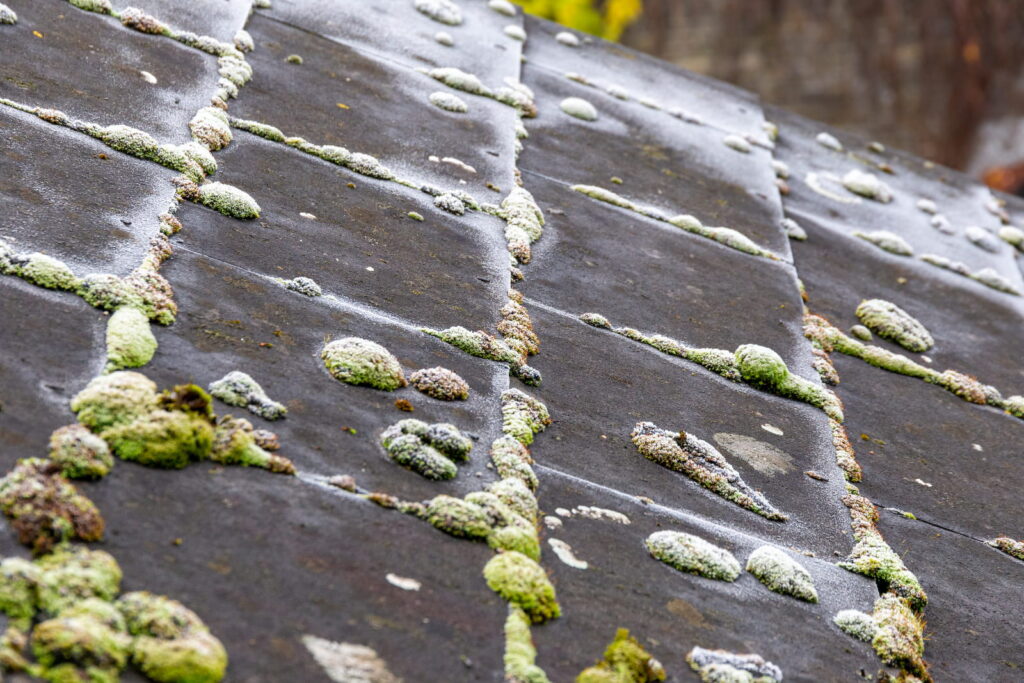
Moss on a roof is easy to overlook at first. It often starts in shaded corners or along rooflines where moisture lingers. While it may seem like a cosmetic issue, moss growth can quietly shorten the life of a roofing system if it’s left untreated. If you are looking to get rid of the green stuff, you’re probably wondering about the best time of year to remove moss from your roof.
For homeowners in the Pacific Northwest, moss is a common concern due to frequent rain, mild temperatures, and tree cover. Knowing when to remove moss, how to approach it safely, and how to prevent it from returning can help protect your roof and avoid more serious repairs down the road.
Why Moss Growing on Your Roof Can Cause Problems
Moss thrives in damp, shaded environments. Once it takes hold on a roof, it begins to trap moisture against the surface of the shingles. Over time, that constant moisture can work its way beneath the roofing material.
As this happens, shingles may weaken or lift, allowing water to reach the underlayment and roof decking. This can eventually lead to leaks that affect ceilings, insulation, and even interior walls.
One of the challenges with moss damage is how slowly it develops. By the time water intrusion becomes noticeable inside the home, the roofing system may already be compromised. Removing moss early helps prevent this type of long-term damage and preserves the roof’s integrity.
What Is the Best Time of Year to Remove Moss from a Roof?
In many cases, summer and early fall are the best times of year to remove moss from a roof. During drier months, moss becomes dormant and brittle, making it easier to loosen and remove without aggressive scraping or high water pressure.
Dry conditions also improve footing, which is an important safety factor when working on a roof. Shingles are less slippery, and there’s less risk of sudden weather changes interfering with the work.
That said, timing can vary depending on how moss is being removed and whether treatments are being applied.
Is It Better to Remove Moss During the Rainy Season?
 Some homeowners choose to treat moss during the fall, winter, or spring when rain is more frequent. This approach is typically used when applying moss-killing treatments rather than physically removing growth right away.
When moss is actively growing, it absorbs moisture along with treatment solutions. Rain helps distribute those treatments across the roof surface, allowing them to work gradually over time.
It’s important to understand that treatments kill moss but do not remove it immediately. Dead moss should still be cleared away once conditions are dry to prevent moisture retention and debris buildup.
Options for Removing Moss from Your Roof
The best moss removal method depends on how much growth is present and the design of the roof.
On low-slope roofs with light to moderate moss buildup, gentle manual removal may be possible. A soft broom can be used to sweep moss downward, following the direction of the shingles. Sweeping upward can lift shingle edges and cause damage.
Care should always be taken to avoid aggressive scrubbing. Many roofing materials rely on protective granules, and removing them can shorten the roof’s lifespan. The same applies to pressure washing, which can do as much harm as moss if too much force is used.
Chemical treatments are another option. Some products can be applied from the ground using a garden hose, while others require application directly on the roof. These treatments kill moss over time, but the dead growth still needs to be removed afterward.
Safety During Roof Moss Removal
Removing moss from a roof may look manageable at first glance, but safety should always be the first consideration. Roof work is physically demanding, and even under good conditions, it requires balance, awareness, and experience. When moss, moisture, or changing weather are involved, the risks increase quickly.
Before deciding to remove moss yourself, it’s important to understand the safety factors involved and when it makes sense to step back and call in a professional.
Key Safety Factors to Consider Before Removing Roof Moss
- Roof Slope and Overall Design – Steeper roofs are more difficult to move around on and leave less room for error. Roofs with multiple slopes, valleys, or architectural features further limit stable footing. In these situations, moss removal becomes less about technique and more about maintaining balance and control.
- Weather and Surface Conditions – Dry, calm weather is essential for safe roof work. Shingles can remain slick long after rain has stopped, especially in shaded areas. Morning dew, lingering moisture, or sudden wind gusts can make footing unpredictable. Moss removal should never be attempted during wet or windy conditions.
- Moss and Algae Affect Traction – Moss doesn’t just hold moisture against roofing materials, it also reduces traction. Even when it appears dry, moss and algae can create slick surfaces underfoot. Fine organic residue left behind can be difficult to see, but still increases the risk of slipping.
- Tools and Equipment Add Risk – Brooms, hoses, chemical sprayers, and pressure washers all introduce potential hazards. Reaching too far, shifting weight unexpectedly, or navigating around cords can throw off balance. Pressure washers, in particular, can affect stability while also damaging shingles if used improperly.
- Experience and Comfort Level Matter – Roof work requires confidence and familiarity with moving safely at height. If you feel uncertain or uncomfortable while on the roof, that hesitation is a warning sign. Many injuries happen because the physical demands of roof work are underestimated.
- Knowing When Professional Help Is the Right Call – If moss covers large areas, if the roof is steep or complex, or if conditions are anything less than ideal, professional moss removal is often the safest option. Experienced roofing professionals have the training and equipment needed to remove moss efficiently while protecting both the roof and the people working on it.
How to Prevent Moss from Growing Back
 Once moss has been removed, prevention becomes the next priority. One effective long-term solution is installing zinc or copper strips near the roof ridge. When rainwater flows over these materials, it releases particles that help prevent moss from gaining a foothold.
Managing shade and debris also plays an important role. Overhanging tree branches can block sunlight and drop leaves or needles onto the roof. That debris holds moisture and creates ideal conditions for moss growth. Keeping branches trimmed back and gutters clear helps the roof dry more quickly after rainfall.
Routine roof inspections and cleanings allow moss to be addressed early, before it becomes a larger issue.
When Moss Removal Is Best Left to a Professional
If moss growth is widespread, if the roof has a steep pitch, or if there are already signs of shingle damage, professional assistance is often the best option. Trained roofing professionals know how to remove moss without harming the roofing system and can spot early warning signs that might otherwise go unnoticed.
Professional moss removal also reduces the risk of injury and helps ensure the roof remains protected throughout the process.
Roof Moss Removal Safety FAQs
Is it dangerous to remove moss from a roof yourself?
It can be. Working on a roof always carries some risk, especially on steeper slopes or when surfaces are slick. Moss and algae reduce traction, and conditions can change quickly.
Does roof pitch really make a difference?
Yes. As roof pitch increases, footing becomes less stable and balance becomes more challenging, especially when reaching across surfaces or working near edges.
Why does weather matter so much for moss removal?
Moisture from rain, dew, or shade can make shingles slippery even when the roof looks dry. Wind can also affect balance when using tools.
Can a roof be slippery even if the moss looks dry?
Yes. Moss and algae can reduce traction even when dry, and fine residue left behind can still make the surface slick.
Are pressure washers a safe option for moss removal?
In most cases, no. Pressure washers can affect balance and damage shingles by removing protective granules. Gentler methods are typically safer.
When is it best to leave moss removal to a professional?
If the roof is steep, moss is widespread, or safety conditions are uncertain, professional help is often the best choice.
Protecting Your Roof for the Long Term
Moss removal isn’t just about improving how a roof looks, it’s also about protecting the roofing system as a whole. Understanding the best time of year to remove moss, choosing safe removal methods, and taking preventive steps can extend the life of your roof and reduce the risk of costly repairs.
When moss becomes a recurring issue or safety is a concern, working with an experienced roofing professional ensures the job is done correctly and safely, with the long-term health of your roof in mind. Do you have a moss problem that goes beyond cleaning? Get in touch with Warner Roofing and Construction for more information about tear-offs and replacement roofing services.