



Published on January 28, 2026
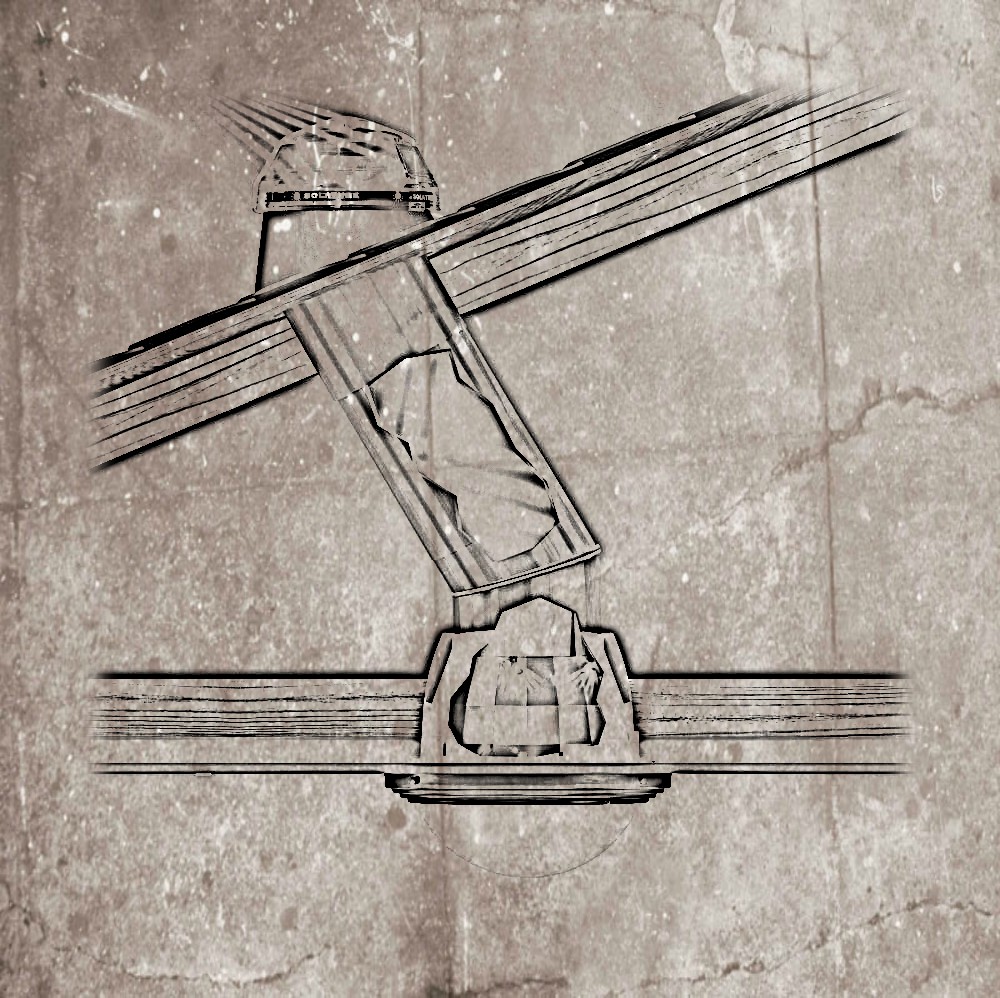
Solar tubes are a popular way to bring natural light into darker areas of a home. They are smaller than traditional skylights, more affordable to install, and often feel like a low-risk upgrade. Still, many homeowners ask the same question before installing one or after noticing moisture nearby: How common is solar tube leaking?
The short answer is that solar tube leaking is not common when the system is installed correctly. Most issues that get labeled as “leaks” are tied to installation details, aging roof materials, or moisture that is not actually coming from outside. Understanding the difference can help homeowners avoid unnecessary worry and costly mistakes.
How common is solar tube leaking, really?
A properly installed solar tube is designed to be watertight. When flashing is installed correctly and the roof penetration is sealed into the roofing system, solar tubes perform reliably for many years.
When leaks do occur, they are usually not caused by the tube itself. Instead, they tend to show up when something around the tube has failed. In other words, solar tube leaking is usually a roof issue, not a product defect.
In regions like Southwest Washington, where roofs experience long wet seasons and steady rainfall, small installation errors are more likely to reveal themselves over time. That does not mean solar tubes are risky. It simply means workmanship matters.
Why solar tubes can leak
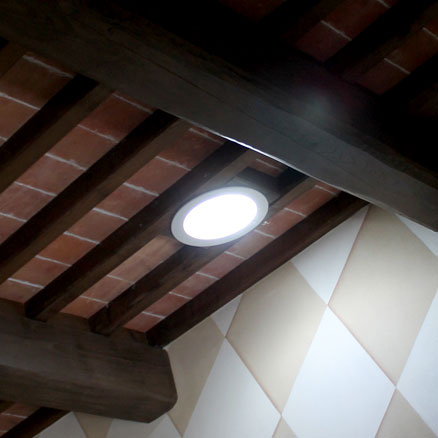 Any time a hole is cut into a roof, the surrounding materials need to work together as a system. Solar tube leaking most often traces back to one of a few common causes.
Flashing problems are at the top of the list. Flashing is the material that directs water away from the penetration and back onto the roof surface. If the flashing is poorly installed, mismatched to the roof type, or not integrated correctly with the shingles, water can find its way inside.
Improper sealing during installation can also lead to issues. Sealants are not meant to replace flashing, but when installers rely too heavily on caulking or take shortcuts, those materials can fail over time.
Roof age plays a role as well. Even if the solar tube was installed correctly, older shingles around the penetration may deteriorate. When roofing materials break down, water can follow those weak points toward the tube opening.
Storm conditions can add stress, too. Wind-driven rain can expose small vulnerabilities that might not show up during lighter weather.
Installation quality matters more than the product
When homeowners ask how common solar tube leaking is, the most honest answer depends on who installed it. A quality solar tube installed by an experienced roofing professional should not leak under normal conditions.
Problems are more likely when solar tubes are installed without full roofing knowledge. Roofing systems rely on layering, drainage paths, and slope. A solar tube installer who does not fully understand how the roof sheds water may unintentionally create a failure point.
This is why solar tube installation should always be treated as a roofing project, not just a lighting upgrade.
Signs a solar tube might be leaking
Some signs of solar tube leaking are obvious, while others are easy to miss. Water stains on the ceiling around the diffuser, bubbling paint, or damp drywall can indicate a problem. These symptoms often show up after heavy rain.
Less obvious signs can appear in the attic. Moisture on the tube itself, wet insulation, or darkened roof decking nearby may point to water intrusion that has not yet reached the living space.
Because solar tubes are smaller than skylights, leaks may take longer to become noticeable. That delay can allow damage to develop quietly, which is why early evaluation matters.
Does the Length of a Solar Tube Affect Leaking Risk?
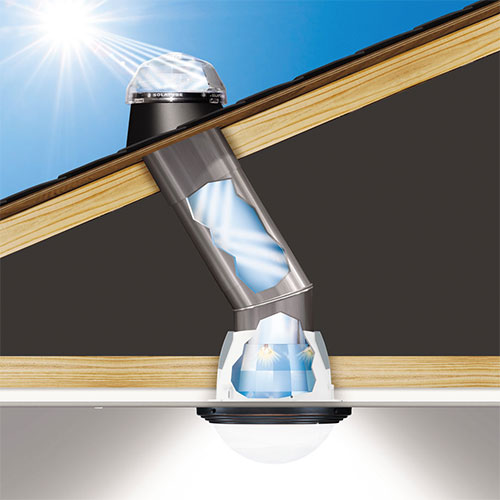 The length and layout of a solar tube can affect how it performs over time. While tube length does not directly cause leaks, longer or poorly planned runs can lead to moisture issues that are often mistaken for solar tube leaking.
Solar tubes work best when the run is short and mostly straight. When a tube travels a long distance through the attic or includes several bends, it becomes more sensitive to temperature changes. During cooler months, warm indoor air can condense inside the tube and create moisture near the ceiling diffuser.
Longer runs can also delay warning signs. Moisture may form higher in the attic before it becomes visible inside the home, making the issue feel sudden when it finally appears.
Professional installation accounts for tube length, roof pitch, and attic layout from the start. Keeping runs within recommended limits helps reduce condensation risk and ensures the system performs as intended.
Solar tube leaking vs. condensation
One of the most common sources of confusion is condensation. Moisture around a solar tube does not always mean there is a roof leak.
Warm, humid air inside the home can condense on cooler surfaces, especially in bathrooms or during colder months. This moisture can drip and mimic a leak even though no water is entering from outside.
Condensation is more likely when ventilation is poor or temperature differences between the attic and living space are significant. In Southwest Washington, seasonal temperature shifts can make this more noticeable.
A professional inspection can determine whether moisture is coming from outside or forming inside the home, which is a critical distinction before attempting repairs.
Can a leaking solar tube be repaired?
In many cases, yes. If the issue is related to flashing, seal failure, or surrounding shingles, repairs may be possible without replacing the entire solar tube.
A professional roofer can assess whether resealing, flashing replacement, or localized roof repair will solve the problem. Replacement is usually only recommended when the tube or dome itself is damaged or when broader roofing issues are present.
Addressing solar tube leaking early can prevent more extensive repairs later.
How to reduce the risk of solar tube leaking
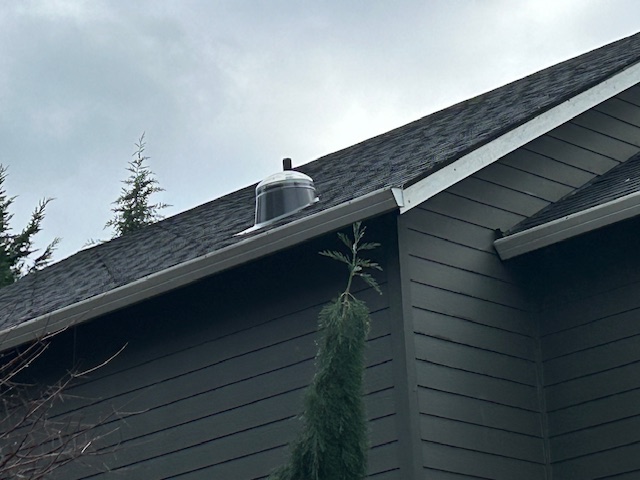 The most effective way to prevent solar tube leaking is to start with proper installation. Working with a roofing contractor who understands how solar tubes integrate into the roof system is essential.
Routine roof inspections can also help. Catching small issues early, such as loose flashing or aging shingles, can prevent water intrusion before it becomes a larger problem.
Finally, addressing ventilation and moisture control inside the home can reduce condensation and eliminate false leak concerns.
When to call a professional
If you notice persistent moisture, water stains, or changes around your solar tube, it is time to call a professional. Waiting can allow minor issues to turn into structural damage.
A qualified roofing contractor can identify whether the problem is true solar tube leaking, condensation, or a separate roofing issue altogether.
Frequently Asked Questions About Solar Tube Leaking
Are solar tubes more likely to leak than skylights?
Solar tubes are not more likely to leak than skylights when they are installed correctly. Both systems require proper flashing and sealing. In fact, because solar tubes are smaller, they often present fewer challenges when integrated into the roof. Most leak issues are tied to installation quality rather than the type of daylighting system.
Can heavy rain cause a solar tube to leak?
Heavy or wind-driven rain can expose weaknesses around a solar tube if flashing or sealing was done incorrectly. A properly installed solar tube should handle rain without any issues. If moisture appears after storms, it is worth having the roof inspected to identify the source.
How long should a properly installed solar tube last without leaking?
A well-installed solar tube can last for many years without leaking. Often, the surrounding roof materials will age before the solar tube itself becomes a problem. Regular roof inspections help ensure small issues are addressed before leaks develop.
Is moisture around a solar tube always a leak?
No. Moisture around a solar tube is often caused by condensation rather than water entering from outside. This is common in humid spaces like bathrooms or during cooler months. A professional inspection can determine whether the moisture is condensation or true solar tube leaking.
Should a leaking solar tube be repaired or replaced?
That depends on the cause of the issue. Many solar tube leaks can be resolved by repairing flashing or sealing around the tube. Replacement is usually only needed if the tube or dome is damaged or if the surrounding roofing system has significant wear.
Work with experience you can trust
Solar tubes can be a reliable, long-lasting way to bring natural light into your home when they are installed and maintained correctly. Like any roof penetration, their performance depends on proper design, materials, and workmanship.
Warner Roofing and Construction has been working with roofing systems since 1992 and understands how solar tubes perform in Southwest Washington’s wet climate. Whether you are considering a new installation or have concerns about an existing solar tube, working with an experienced roofing professional helps ensure your roof stays watertight for years to come.
If you have questions about solar tube leaking or want peace of mind about your roof, reaching out sooner rather than later can save time, stress, and costly repairs. To get the most out of your solar tube, reach out to Warner Roofing and Construction for a free estimate or more information.