


Published on November 16, 2026
If you own a home in Vancouver, WA, or anywhere else in Clark County, there’s a good chance you’ve looked up at your roof and wondered how much life it has left. It’s a fair question, because a roof replacement is one of the largest expenses most homeowners ever face, and the answer here isn’t quite the same as the one you’ll find in a national article.
So how long does a roof last in Washington State? Most asphalt shingle roofs in Western Washington last between 20 and 27 years, cedar shake roofs last 22 to 30 years, and metal roofs can last 45 to 70 years. Those numbers run a little shorter than national averages for most materials, and the reason mostly comes down to one important factor: our wet climate.
This guide breaks down what to expect from each roofing material in the Pacific Northwest, how maintenance changes those numbers, and how to tell when your roof is nearing the end of its life.
Why Roofs Age Faster in the Pacific Northwest
When you read that a roof should last a certain number of years, that estimate is usually based on national averages, which include plenty of homes in drier climates. Western Washington is a different story, because months of steady rain, shaded lots, and mild temperatures create the perfect conditions for slow, constant wear.
In our experience, a wet climate can reduce the lifespan of asphalt shingles by roughly 3 to 5 years compared with drier climates. Here’s why that happens:
- Constant moisture keeps shingles and roof decking damp for much of the year, which gradually weakens materials and fasteners.
- Moss growth spreads quickly on shaded, north-facing slopes, and moss holds water against the roof like a sponge.
- Granule loss speeds up as moss roots and heavy rain loosen the protective granules on asphalt shingles.
- Tree debris from firs and maples clogs gutters and valleys, which traps water exactly where you don’t want it.
- Wind events, especially in east Clark County near the Columbia River Gorge, loosen shingles and break their seals.
None of this means your roof is doomed to fail early, but it does mean that in the Pacific Northwest, regular care and upkeep matter more than they do in many other parts of the country.
Roof Lifespan by Material in Washington State
Every roofing material ages differently, and the quality of the installation matters just as much as the product itself. The table below compares typical national estimates with what we generally see on homes throughout Western Washington.
| Roofing Material | National Estimate | Pacific Northwest Estimate | What Affects Lifespan Here |
|---|---|---|---|
| 3-tab asphalt shingles | 15 to 20 years | 12 to 18 years | Thinner shingles wear faster under moss and constant rain |
| Architectural asphalt shingles | 25 to 30 years | 20 to 27 years | Moss, granule loss, ventilation, and shade |
| Cedar shake | 25 to 35 years | 22 to 30 years | Rot, moss, and how often the roof is cleaned and treated |
| Composite slate | 40 to 50 years | 35 to 50 years | Quality of installation and flashing |
| Metal roofing | 40 to 70 years | 45 to 70 years | Fasteners, coatings, and panel style |
These figures are estimates rather than guarantees, since a well-installed, well-maintained roof can easily beat these numbers, while a poorly ventilated roof under heavy tree cover may fall well short of them.
Asphalt Shingles: 20 to 27 Years
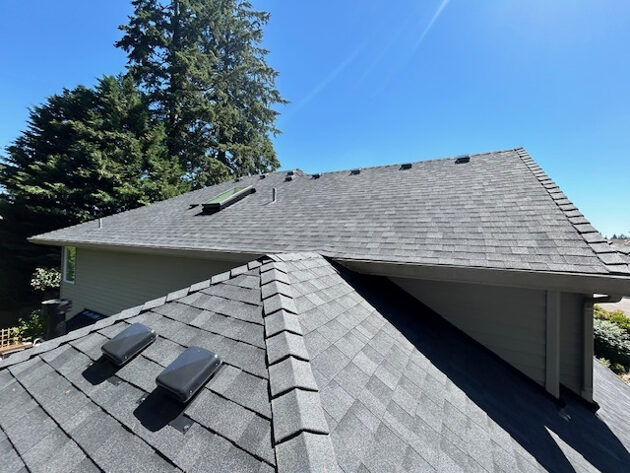
Asphalt shingles are the most common roofing material in Clark County, and for good reason, since they offer a strong balance of price, appearance, and performance. Most architectural shingles carry warranties of 30 years or more, but that number reflects ideal conditions rather than the reality of a shaded, damp Northwest lot.
In practice, a quality architectural shingle roof here usually lasts around 20 to 27 years, compared with about 25 to 30 years nationally. Older 3-tab shingles, which are thinner and lighter, often show serious shingle wear after just 15 years in our climate.
The biggest threats to an asphalt shingle roof in Washington are moss, poor attic ventilation, and clogged gutters. Moss can lift shingle edges as it grows, which lets wind-driven rain slip underneath and speeds up granule loss across the entire roof.
Cedar Shake: 22 to 30 Years
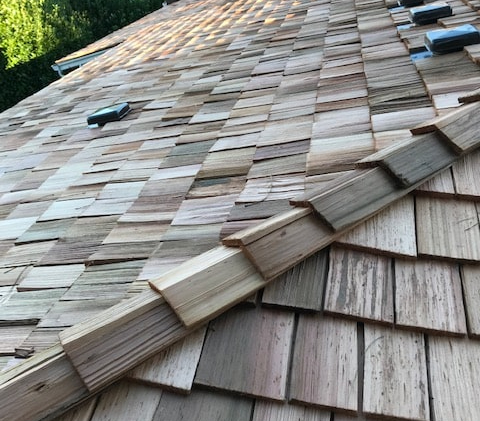
Cedar shake roofs have natural beauty and character that suits many older and rural homes in the Pacific Northwest, but because wood is especially vulnerable to moisture, shake roofs need more regular care here than almost any other material.
A well-maintained cedar shake roof typically lasts 22 to 30 years in Western Washington. Shakes that stay damp under heavy tree cover can begin to split, cup, and rot much sooner, which is why regular cleaning, treatment, and debris removal make such a big difference.
Metal Roofing: 45 to 70 Years
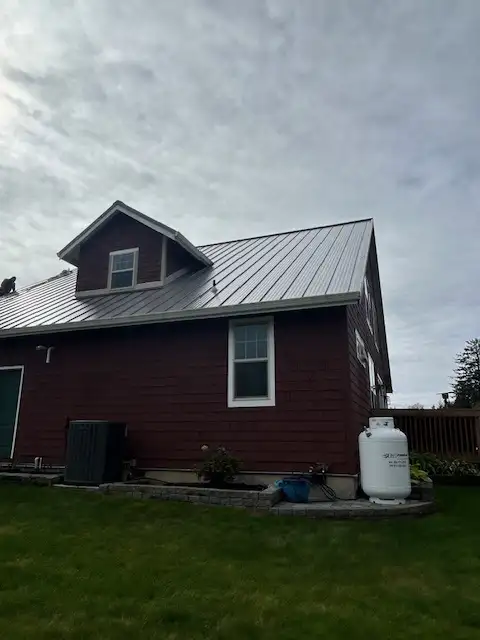
Most manufacturers rate metal roofing 40 to 70 years, and in our mild Pacific Northwest climate, a well-installed metal roof often lands toward the upper end of that range. Metal sheds rain quickly, resists moss growth, and doesn’t absorb water the way shingles and wood do.
The main things to watch on a metal roof are the fasteners, seals, and protective coating. Exposed-fastener panels may need their screws and washers replaced over time, while standing seam systems with hidden fasteners usually require much less attention. With proper installation, a metal roof can last 45 to 70 years here, which often means it’s the last roof a homeowner will ever buy.
Composite Slate: 35 to 50 Years
Composite or synthetic slate offers the upscale look of natural stone at a fraction of the weight, and because it resists moisture well and holds up in Northwest weather, a quality product installed correctly can last 35 to 50 years. As with any premium roof, the flashing and underlayment need to be installed with the same care as the roofing itself.
How Maintenance Changes the Lifespan of Your Roof

Two identical roofs installed on the same day can age very differently, and the difference usually comes down to maintenance, because in the Pacific Northwest the small habits you keep each year have an enormous effect on how long a roof lasts.
| Maintenance Habit | What Happens When You Keep Up With It | What Happens When You Skip It |
|---|---|---|
| Moss treatment and removal | Shingles stay flat and sealed | Moss holds water against the roof and can shorten its life by several years |
| Gutter cleaning (at least twice a year) | Water drains freely off the roof edge | Water backs up and rots fascia and roof decking |
| Trimming overhanging branches | Less debris, more sunlight, faster drying | Constant shade, scraped granules, and storm damage risk |
| Proper attic ventilation | Roof stays cooler and drier from the inside | Trapped heat and moisture age shingles from below |
| Annual or post-storm inspection | Small problems get fixed early | Minor leaks turn into rot, mold, and early replacement |
| Prompt repairs after wind events | Seals and flashing stay intact | Loose shingles fail during the next storm |
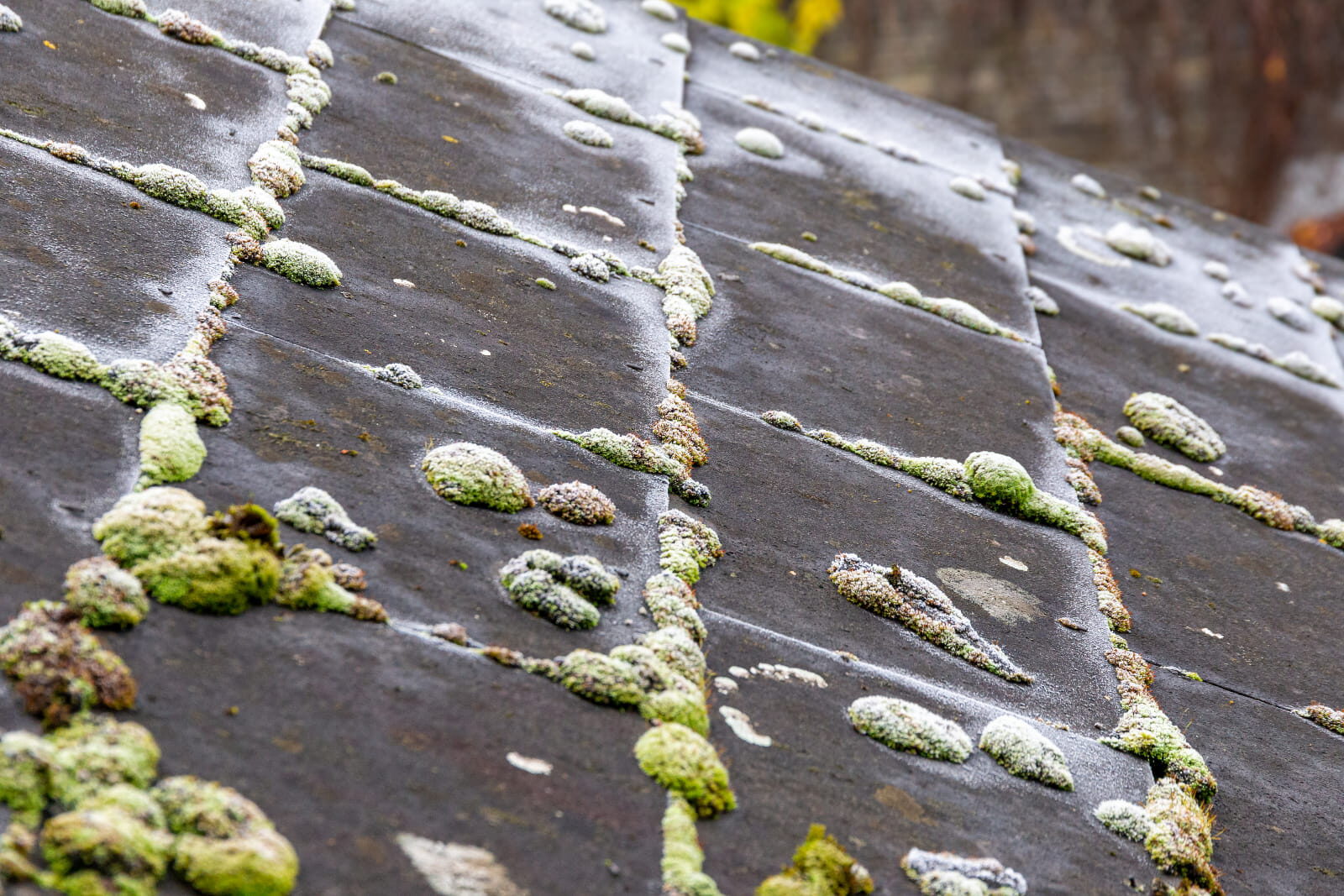
Moss deserves special attention, because it’s the single biggest factor that shortens roof life in Western Washington. As moss spreads, it holds water against the roof surface, pushes up shingle edges, and slowly breaks down roofing materials from the top down.
How Long Do Other Roof Components Last?
Your shingles aren’t the only part of the roofing system that wears out, and several components often need attention before the main roof does. Pipe boots, the rubber seals around plumbing vents, commonly crack and begin leaking after roughly 10 to 15 years, especially on south-facing slopes that receive more sunlight. Sealants around chimneys and skylights also deteriorate over time, while metal flashing usually lasts as long as the roof itself when it’s installed correctly.
Underlayment, the protective layer beneath your shingles, generally lasts as long as the roof covering, but it can fail early if water repeatedly finds its way underneath damaged or lifted shingles. Gutters typically last 20 years or more, although clogged or overloaded gutters can pull away from the fascia much sooner. Replacing these smaller components on time is one of the most affordable ways to protect the rest of your roof.
How Installation Quality Affects Roof Lifespan
Even the best shingles won’t reach their full lifespan if they’re installed poorly, and many roofs in our area fail early because of installation shortcuts rather than problems with the material itself.
The most important installation details include proper nailing, correctly installed underlayment and flashing, balanced attic ventilation, and solid, dry roof decking. When any one of these is missing, the roof is more likely to leak, lose shingles in high winds, or wear out years ahead of schedule. That’s why the contractor you choose matters just as much as the material you pick.
Signs Your Roof Is Reaching the End of Its Life
Most roofs give plenty of warning before they fail, and knowing what to look for can help you plan a replacement on your schedule instead of scrambling after a leak in the middle of winter.
End-of-Life Signs Checklist
Use this checklist to judge whether your roof may be nearing replacement:
- Your asphalt shingle roof is 20 years old or older, or your shake roof is more than 25 years old.
- Shingles are curling, cupping, cracking, or buckling across several areas of the roof.
- You’re finding heavy granule loss in the gutters or at the bottom of downspouts.
- Bald or dark patches show where granules have worn away completely.
- Moss covers large sections of the roof and keeps coming back after treatment.
- Shingles keep blowing off during ordinary windstorms.
- The roofline looks uneven, wavy, or sagging, which can mean the roof decking is failing.
- You see daylight through the attic boards or notice damp, stained wood in the attic.
- Water stains appear on ceilings or walls, especially after heavy rain.
- Repairs have become more frequent and more expensive over the last few years.
If you can check off two or three of these items, it’s probably time for a professional inspection. One sign alone may only mean a repair is needed, but several together usually point to a roof that’s nearing the end of its useful life. When that’s the case, ourroof replacement team can walk you through your options.
Can You Make Your Roof Last Longer?
Yes, and in the Pacific Northwest the payoff is especially large, because although you can’t control the rain, you can absolutely control how well your roof handles it.
Start by keeping your gutters and downspouts clear, treating moss before it spreads, and trimming branches that hang over the roof. Make sure your attic is properly ventilated, since trapped heat and moisture age shingles from below. Finally, schedule a professional inspection every year or two, and always after a major windstorm, so small problems get fixed before they turn into expensive ones.
These steps won’t turn a 20-year roof into a 40-year roof, but they can easily add several years of life and help you avoid an early, unplanned replacement.
Frequently Asked Questions
How long does a roof last in Washington State?
Most asphalt shingle roofs in Western Washington last 20 to 27 years, cedar shake roofs last 22 to 30 years, and metal roofs last 45 to 70 years. Your roof’s actual lifespan depends on the material, the installation, ventilation, shade, and how well it’s maintained.
Why do roofs wear out faster in the Pacific Northwest?
Is a 30-year shingle really going to last 30 years?
How long does a metal roof last in Washington?
How often should I have my roof inspected?
Protect Your Investment With the Right Roof and the Right Installer
A new roof should give you decades of worry-free protection, and the best way to get there is to pair quality materials with careful installation. At Warner Roofing & Construction, every roof we install is backed by the manufacturer’s material warranty, with 30-, 40-, and 50-year options available, along with our own10-year workmanship guarantee. That means you’re protected both on the materials and on the way they were installed.
We work with trusted brands, including Pabco, Malarkey, GAF, Owens Corning, CertainTeed, and IKO, and we install every roof with the Pacific Northwest climate in mind, from ventilation and underlayment to flashing and moss-resistant shingle options.
Not sure where your roof stands? Warner’sinspection tells you exactly.