


Published on November 2, 2026
With leaves falling and the rainy season returning, autumn is the perfect time to give your roof some attention, because the weather is still mild enough for safe inspections and any problem you catch now will cost far less than an emergency roof leak in January. This fall roofing checklist explains what to look for, which jobs you can handle yourself, and when it makes sense to call a professional.
Why Fall Is the Best Time for Roof Maintenance
Fall roof maintenance is about getting ahead of winter, which in Southwest Washington and the Portland area usually brings months of steady rain, powerful winds from the Columbia River Gorge, and the occasional ice storm or heavy snow.
Milder autumn temperatures also make repairs easier, because asphalt shingles seal best in moderate weather, but once temperatures drop they become brittle and much harder to install correctly, so finishing repairs early gives new shingles time to seal before the worst weather arrives.
Your Fall Roofing Checklist
You can complete most of these checks from the ground, a sturdy ladder, or inside your attic, so there’s usually no reason to walk on the roof yourself.
1. Clean Your Gutters and Downspouts
When leaves clog your gutters and downspouts, water backs up under the roof edge, where it can rot the fascia board, soak the wood decking, and eventually lead to a roof leak inside your home.
Remove the accumulated debris, then run a garden hose through each downspout to confirm water flows freely and drains away from your foundation.
Watch for granules in the gutters. If you notice something resembling coarse sand, those are protective granules from your shingles, and while a small amount is normal on a brand-new roof, heavy granule loss on an older roof usually means the shingles are reaching the end of their life. Learnwhy shingles feel like sandpaper and why those granules matter.
2. Look for Damaged Shingles
Stand back from the house and carefully examine the roof with binoculars, looking for missing, cracked, curled, or buckled shingles, along with bald areas where the granules have worn away. Damaged shingles are weak spots because wind can get underneath them, pry them up further, and allow water into the decking below.
3. Check the Flashing
Flashing is the metal that seals the joints around your chimney, vents, and skylights, so look closely for gaps, rust, cracked sealant, or bent pieces, since these areas cause more leaks than almost any other part of the roof.
4. Deal With Moss Before It Spreads
Moss thrives in our damp Northwest climate, holding moisture against your roof for months, and as it grows, it lifts shingle edges and allows water to sneak underneath.
Treat moss with a product specifically formulated for roofing, and never pressure wash asphalt shingles, because the spray strips away granules and shortens the life of your roof. Our guide toroof moss removal in Vancouver, WA explains the safest approach.
5. Trim Back Overhanging Branches

Branches that rub against your roof scrape off granules, and dead limbs can snap during a windstorm. Trim back anything hanging over the roof, and hire a professional tree service for large limbs or anything close to power lines.
6. Check Your Attic Ventilation
On a bright afternoon, check your attic for daylight where there shouldn’t be any, damp insulation, or dark staining on the rafters, since these are early warning signs of a roof leak or moisture problem.
Make sure insulation or stored items aren’t blocking your soffit and ridge vents, because proper attic ventilation keeps the space cool and dry, which protects your shingles from the inside and helps prevent ice dams.
7. Schedule a Professional Roof Inspection
An experienced roofer can identify problems that aren’t visible from the ground, including soft decking, deteriorating pipe boots, and loose nails. Professional inspections are especially valuable for roofs 20 years or older or after a major storm. Booking aroof inspection in the fall leaves plenty of time to complete repairs before winter.
How Ice Dams Form and How to Prevent Them
Ice dams form when heat escaping from your living space warms the attic and melts snow on the upper roof, sending water down to the colder roof edge, where it freezes again. After several freeze and thaw cycles, a ridge of ice builds up, and the water pooling behind it gets forced under your shingles.
You can prevent most ice dams by keeping your gutters clear, maintaining good attic ventilation so the roof surface stays evenly cold, and adding enough insulation to keep heat inside your home. If ice dams do form, don’t chip at them with a hammer or shovel, since you’ll damage the shingles underneath.
Signs You Need a Roofer Right Away
Some problems shouldn’t wait until spring, so contact a roofer immediately if you notice water spots or dark staining on ceilings, a sagging roofline, large sections of missing shingles, heavy granule loss, or daylight coming through the attic boards.
A minor roof repair in the fall almost always costs less than fixing water damage after a long, wet winter, and if you’re unsure whether your roof is worth repairing, our guide onroof repair vs. replacement can help you decide.
Fall Roofing Checklist FAQs
When should I do fall roof maintenance?
Aim for late September through early November, choosing dry, mild days before consistently cold temperatures settle in.
Can I inspect my roof myself?
Get Your Roof Ready Before Winter Hits
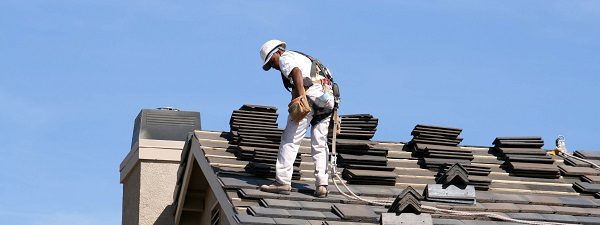
At Warner Roofing & Construction, we help homeowners across Vancouver, WA, and the Portland area keep their roofs in great shape. We’ll inspect your entire roof, explain what we find in plain language, and tell you honestly what needs attention now and what can wait. If we find trouble, ourroof repair team can take care of it before the weather turns.
Request your free estimate today, before the first winter storm arrives.